Dubai Travel Guide: Modern Landmarks, Metro and Mobile Data Tips
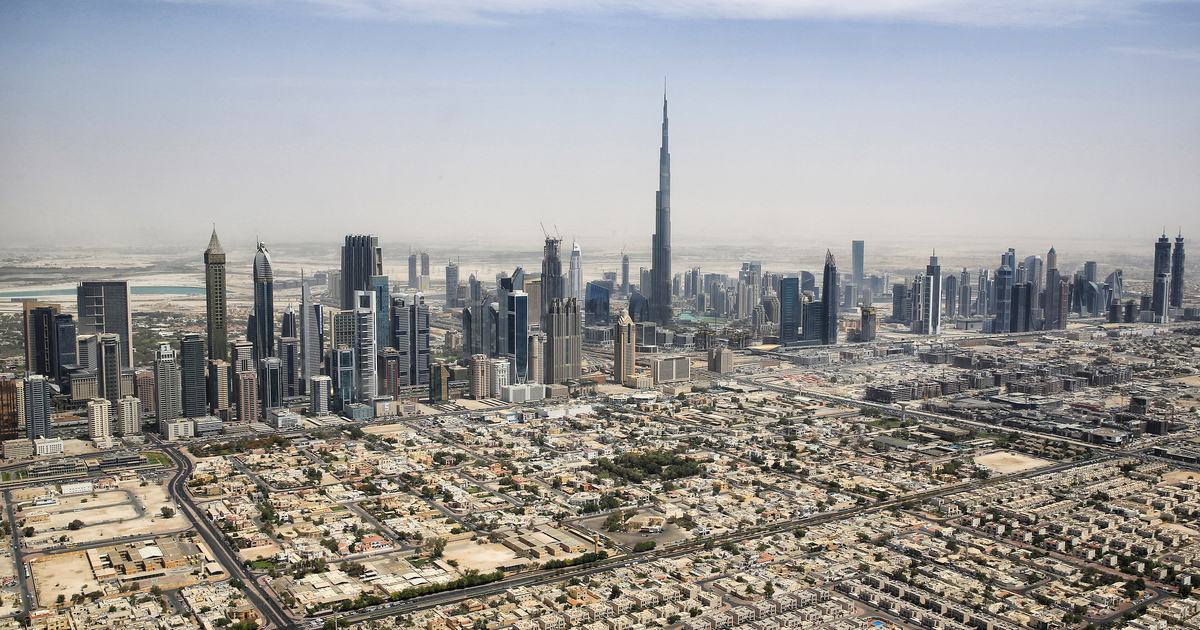
Photo: Tim Reckmann, CC BY 2.0, via Wikimedia Commons (cropped)
Dubai turned a desert coastline into one of the most futuristic cities on Earth in a single generation. Here is how to see its best modern sights, move around easily and stay online from the moment you land.
Why Dubai feels like the future
Few cities have changed as fast as Dubai. In the 1990s most of today's skyline did not exist; now the city has the world's tallest building, a driverless metro, artificial islands you can see from space and a museum dedicated to the future itself. Everything is built for visitors: signs are in Arabic and English, the airport is one of the busiest international hubs in the world, and flights from Tashkent take around four hours.
The best time to visit is from November to March, when daytime temperatures sit around 24–30 °C. Summer regularly passes 40 °C, so plans shift indoors to malls, museums and the evening hours.
Top modern places to see
- Burj Khalifa — at 828 metres it is the tallest building in the world. Book the observation decks on levels 124–125 online; sunset slots sell out first.
- Dubai Mall and the Dubai Fountain — one of the largest malls anywhere, with an aquarium, an ice rink and a free fountain show on the lake every evening.
- Museum of the Future — the torus-shaped building covered in Arabic calligraphy opened in 2022 and hosts immersive exhibitions about space, climate and technology.
- Dubai Frame — a 150-metre picture frame with a glass-floored bridge that shows old Dubai on one side and the new city on the other.
- Palm Jumeirah and Dubai Marina — walk the Marina promenade in the evening, then take the monorail along the Palm to Atlantis.
- Al Fahidi and Dubai Creek — for contrast, visit the restored wind-tower houses and cross the creek by traditional abra boat for about one dirham.
Getting around
The Dubai Metro (Red and Green lines) connects the airport, Downtown, the Marina and the old town. It is clean, air-conditioned and cheap. Buy a rechargeable Nol card at any station — it also works on buses, trams and water buses. Remember that eating and drinking are not allowed on the metro, and there are carriages reserved for women and children.
For door-to-door trips, use the Careem or Uber apps, or the official RTA taxis, which run on a meter. Distances are long and pavements get very hot, so plan on taking the metro or a car rather than walking between districts.
Mobile data and eSIM tips for Dubai
Roaming with a home SIM is expensive in the UAE, and public Wi-Fi at malls and the metro often asks for a local phone number to log in. A travel eSIM solves both problems: install it at home, switch it on when you land and you have data in the arrivals hall.
- How much data? For a week of maps, ride-hailing, messaging and some social media, 5–10 GB is usually enough. If you stream video or share your connection with family, choose a larger plan.
- Apps to install before you fly: Careem or Uber, RTA Dubai (routes and Nol top-ups), Google Maps and a translation app.
- Calls: WhatsApp and many other voice and video calling services are restricted in the UAE. Messaging works normally; for calls, use your home SIM or the services that are permitted locally.
- Keep your number: a data eSIM works alongside your physical SIM, so bank SMS codes still reach your home number.
Practical notes for travellers from Uzbekistan
- Visa: Uzbek passport holders generally need to arrange a UAE visa before travelling — usually through an airline, a hotel or a tour agency. Rules change, so confirm the current requirements with the UAE embassy or your airline before booking.
- Payments: cards are accepted almost everywhere. Visa and Mastercard cards issued by Uzbek banks usually work; local Humo and UzCard cards generally do not work abroad. Carry some dirhams (AED) for abras and small shops.
- Halal food: virtually all food in the UAE is halal. You will find Uzbek and Central Asian restaurants in areas such as Deira and Al Barsha.
- Prayer: mosques are everywhere, malls have prayer rooms, and the call to prayer is heard across the city. The Jumeirah Mosque offers guided visits for visitors.
- Dress and conduct: dress modestly in malls and public places, and be discreet during Ramadan, when eating in public during daylight is discouraged.
Dubai travel FAQ
Does a travel eSIM work in Dubai?
Yes. Travel eSIMs connect to local UAE networks. Install it before you fly and switch on data roaming for the eSIM line after landing.
How much mobile data do I need for a week in Dubai?
Around 5–10 GB covers maps, taxis, messaging and social media for most travellers. Heavy video streaming needs more.
Can I make WhatsApp calls in Dubai?
WhatsApp messaging works, but voice and video calls through many apps are restricted in the UAE. Plan to use your home number or a permitted service for calls.
When is the best time to visit Dubai?
November to March, when the weather is warm but comfortable. Summer is very hot, and most sightseeing moves indoors.
Get your UAE eSIM before you fly
Choose a UAE data plan, pay by card or with Click in soums, and get your QR code instantly — with 1% cashback on every order.