Shanghai Travel Guide: Pudong Skyline, Maglev and Staying Online in China
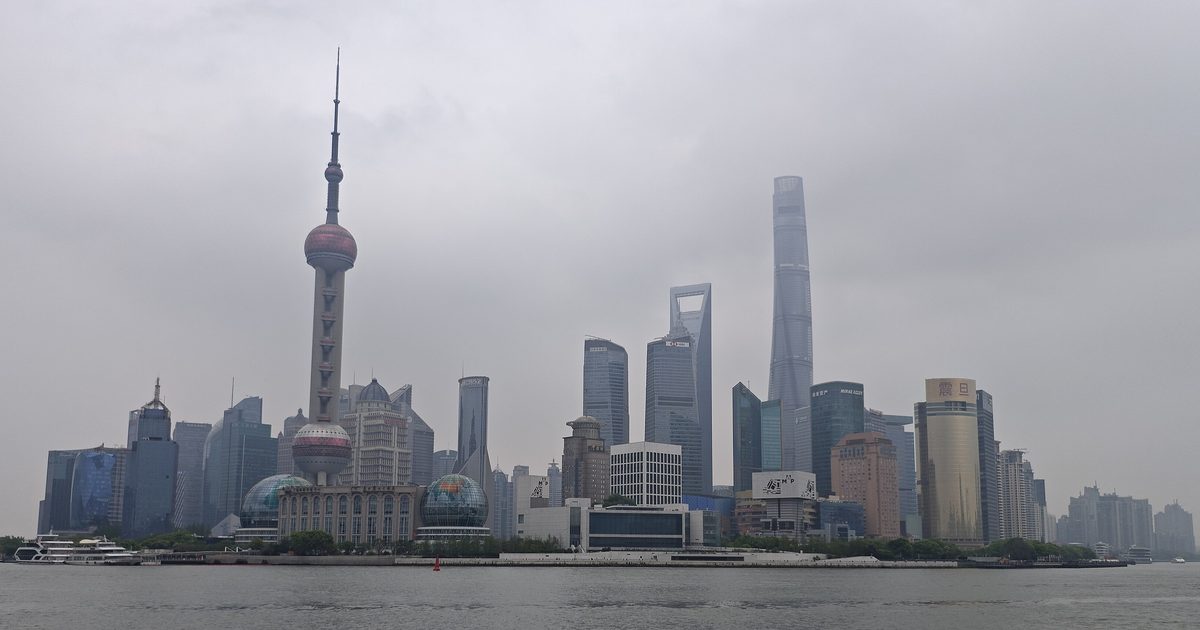
Photo: DvTor8303, CC0, via Wikimedia Commons (cropped)
Shanghai is China's most international city, with a skyline that did not exist 35 years ago. It also has its own digital rules, so preparing your phone matters more here than almost anywhere else.
China's showcase of speed and ambition
With around 25 million residents, Shanghai is one of the largest cities on Earth. In the early 1990s the Pudong side of the Huangpu River was mostly farmland and warehouses; today it is the Lujiazui financial district, home to some of the tallest buildings in the world. Across the river, the colonial-era Bund offers the classic view of that skyline, especially after dark.
March to May and September to November are the most comfortable months. Summers are hot and humid with occasional typhoons; winters are cold and damp.
Top modern places to see
- Shanghai Tower — at 632 metres it is the tallest building in China. Its observation deck near the top is one of the highest in the world.
- The Bund — the riverside promenade lined with historic buildings is the best place to watch the Pudong skyline light up in the evening.
- Oriental Pearl Tower — the pink-and-silver TV tower that became the symbol of modern Shanghai, with glass-floored viewing platforms.
- Shanghai World Financial Center — nicknamed the 'bottle opener' because of the opening at its top, with an observatory and glass walkway.
- Shanghai Maglev — the magnetic levitation train covers about 30 km between Pudong Airport and Longyang Road station in around eight minutes.
- Contrasts — explore Yu Garden and the old town, the tree-lined streets of the former French Concession and the new art museums of the West Bund.
Getting around
The Shanghai Metro is one of the longest subway systems in the world, with signs and announcements in English. You can buy single tickets at machines, but most people now pay with a transport QR code in Alipay or the Metro app. DiDi is the main ride-hailing service and can be used inside Alipay with an English interface.
Google Maps is not reliable in China. Use Apple Maps (which uses local map data) on an iPhone, or the Amap (Gaode) app. Save your hotel's address in Chinese characters to show taxi drivers.
Mobile data and eSIM tips for Shanghai
This is where preparation matters most. On Chinese mobile networks and hotel Wi-Fi, many foreign services — including Google, YouTube, WhatsApp, Instagram and Telegram — are blocked. Travel eSIMs typically work on a roaming basis, with data routed through a partner operator outside mainland China, so these apps usually keep working without a separate VPN. Check the plan details before you buy.
- Set up before you fly: install Alipay (and optionally WeChat), link your Visa or Mastercard card and complete identity verification while you still have unrestricted internet.
- How much data? A week of maps, payments, translation and messaging typically needs 5–10 GB. Payments and QR codes use little data, but you'll use your phone constantly.
- Payments depend on data: in China you pay for almost everything by scanning QR codes, so a working internet connection is essential all day.
- Offline backups: download offline maps and an offline translation language pack in case you lose signal in the metro.
Practical notes for travellers from Uzbekistan
- Visa: under a mutual agreement that took effect in 2025, Uzbek ordinary passport holders can visit China visa-free for short stays. Confirm the current terms and the permitted length of stay with the Chinese embassy in Tashkent before travelling.
- Payments: Alipay and WeChat Pay now accept foreign Visa and Mastercard cards and are used everywhere, from metro gates to street stalls. Humo and UzCard don't work. Carry some yuan in cash as a backup.
- Halal food: look for Lanzhou beef noodle (lamian) and Uyghur restaurants, run by Muslim Hui and Uyghur communities — they are found all over the city. Look for the green '清真' (qingzhen, halal) sign.
- Prayer: Shanghai has several historic mosques, including the Xiaotaoyuan Mosque near the old town and the Huxi Mosque. Check prayer times with a mobile app, since the call to prayer is not broadcast.
Shanghai travel FAQ
Do WhatsApp and Telegram work in China with a travel eSIM?
They are blocked on local networks, but travel eSIMs usually route data outside mainland China, so these apps normally work. Check the plan details before buying.
Can foreigners use Alipay in China?
Yes. You can link a foreign Visa or Mastercard to Alipay and pay by QR code almost everywhere, including the metro and taxis.
Does Google Maps work in Shanghai?
Not reliably. Use Apple Maps on an iPhone or the Amap (Gaode) app for accurate directions.
Where can I find halal food in Shanghai?
Lanzhou lamian and Uyghur restaurants are everywhere; look for the green qingzhen (清真) sign, which means halal.
Arrive in China with working apps
Choose a China data plan, pay by card or with Click in soums, and get your eSIM QR code instantly — with 1% cashback on every order.