Tokyo Travel Guide: Futuristic Sights, Trains and Mobile Data Tips
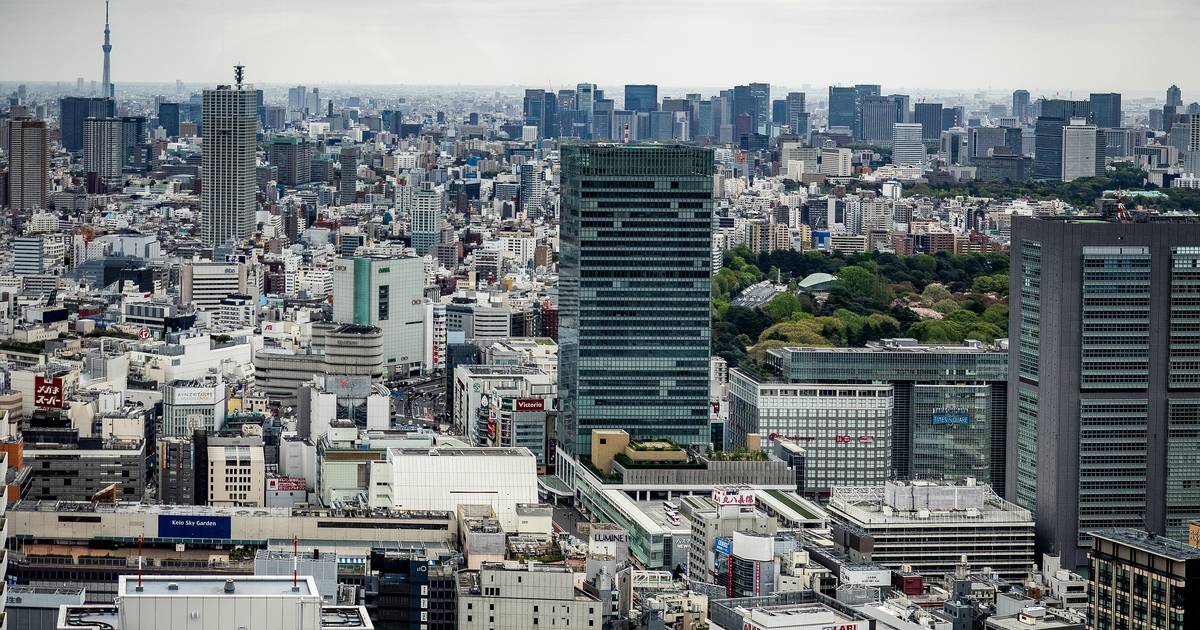
Photo: Ajay Suresh, CC BY 2.0, via Wikimedia Commons (cropped)
Tokyo is the world's largest metropolitan area and a city where centuries-old shrines sit next to robot restaurants and digital art museums. This guide covers the modern highlights, the train system and staying online.
Why Tokyo is the benchmark for modern cities
Greater Tokyo is home to around 37 million people, yet it is famously clean, safe and punctual. Trains leave to the second, vending machines stand on every corner and neighbourhoods like Shibuya, Shinjuku and Akihabara feel like scenes from a science-fiction film — while quiet gardens and shrines are never more than a short walk away.
The most popular seasons are late March to early April for cherry blossoms and October to November for autumn colours. Summers are hot and humid; winters are dry, sunny and good for views of Mount Fuji from observation decks.
Top modern places to see
- Shibuya Sky — an open-air rooftop deck on top of Shibuya Scramble Square, directly above the world-famous Shibuya crossing. Book sunset tickets early.
- Tokyo Skytree — at 634 metres it is the tallest tower in Japan, with two observation decks and a large shopping complex at its base.
- teamLab digital art — teamLab Planets in Toyosu lets you walk through water and light installations; teamLab Borderless is now in Azabudai Hills.
- Azabudai Hills — one of Tokyo's newest districts, combining a skyscraper, gardens, shops and galleries in central Minato.
- Shinjuku — the Tokyo Metropolitan Government Building has a free observation deck, and the streets below glow with neon at night.
- Akihabara and Odaiba — electronics, anime and gaming culture in Akihabara; waterfront malls, a giant robot statue and bay views in Odaiba.
Getting around
Tokyo's trains and subways are the fastest way to move around. Get a Suica or PASMO IC card (a Welcome Suica is sold for visitors at the airports), or add Suica to Apple Wallet on an iPhone. Tap in and out at the gates and the fare is deducted automatically; the same card pays at convenience stores and vending machines.
The circular JR Yamanote Line links most major districts. From Narita Airport take the Narita Express or Keisei Skyliner; from Haneda, the Keikyu line or the Tokyo Monorail. Taxis are clean but expensive — the GO and Uber apps can call them for you.
Mobile data and eSIM tips for Tokyo
Japanese mobile networks are excellent, but free public Wi-Fi is patchy and often requires registration. Navigation is where you will use data most: transfers between train lines can be complex, and live route planning saves a lot of time.
- How much data? Maps and route planning use more than you might expect in Tokyo. Plan on 1 GB per day for typical use, more if you post videos.
- Useful apps: Google Maps (excellent for train routes and platforms), a translation app with camera mode for menus and signs, and GO or Uber for taxis.
- Data-only is fine: most travellers don't need a Japanese phone number. Messaging and internet calls work normally.
- Keep your home number for bank SMS codes — the eSIM runs alongside your physical SIM.
Practical notes for travellers from Uzbekistan
- Visa: citizens of Uzbekistan need a visa for Japan. Check the current application process on the website of the Embassy of Japan in Uzbekistan well before your trip.
- Payments: Japan still uses more cash than most rich countries. Cards are accepted in larger shops, but carry yen for small restaurants and temples. ATMs at 7-Eleven stores usually accept foreign Visa and Mastercard cards.
- Halal food: halal options are growing but still limited, and many dishes contain pork, lard or mirin (cooking alcohol). Look for halal-certified restaurants in Asakusa, Shinjuku and near the mosques, and use a halal restaurant app or map.
- Prayer: Tokyo Camii near Yoyogi-Uehara station is the largest mosque in Japan and welcomes visitors; there is also a mosque in Otsuka. Several airports, stations and department stores have prayer rooms.
Tokyo travel FAQ
Does a travel eSIM work in Japan?
Yes. Travel eSIMs connect to Japanese networks with strong coverage in Tokyo, including underground stations.
How much mobile data do I need in Tokyo?
About 1 GB per day covers maps, train routes and messaging for most visitors. Plan more for video.
Is it easy to find halal food in Tokyo?
It is possible but requires planning. Look for halal-certified restaurants, especially around Asakusa, Shinjuku and the Tokyo Camii mosque.
What is Suica?
A rechargeable IC card for trains, subways, buses and shops. Visitors can buy a Welcome Suica at the airport or add Suica to an iPhone wallet.
Arrive in Japan already connected
Choose a Japan data plan, pay by card or with Click in soums, and get your eSIM QR code instantly — with 1% cashback on every order.